
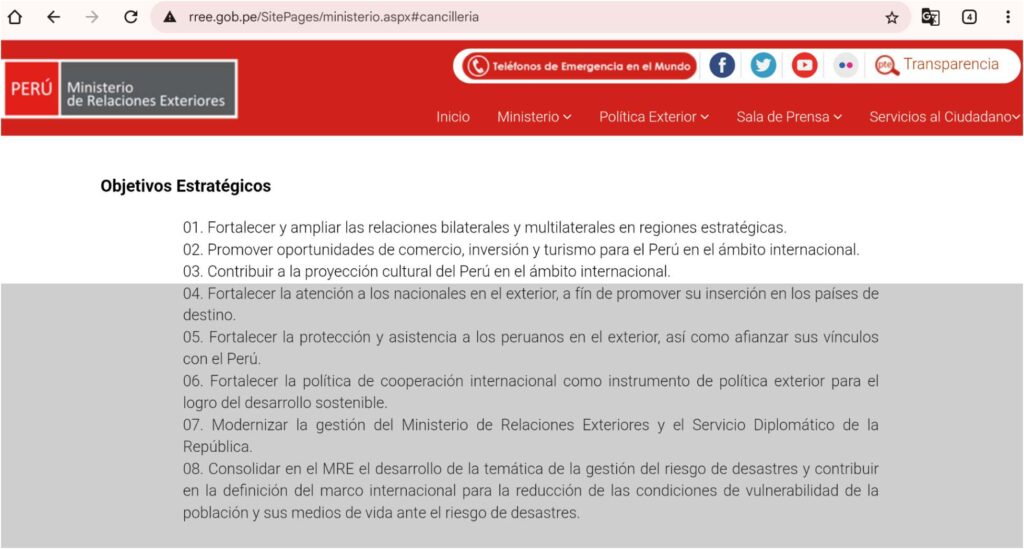
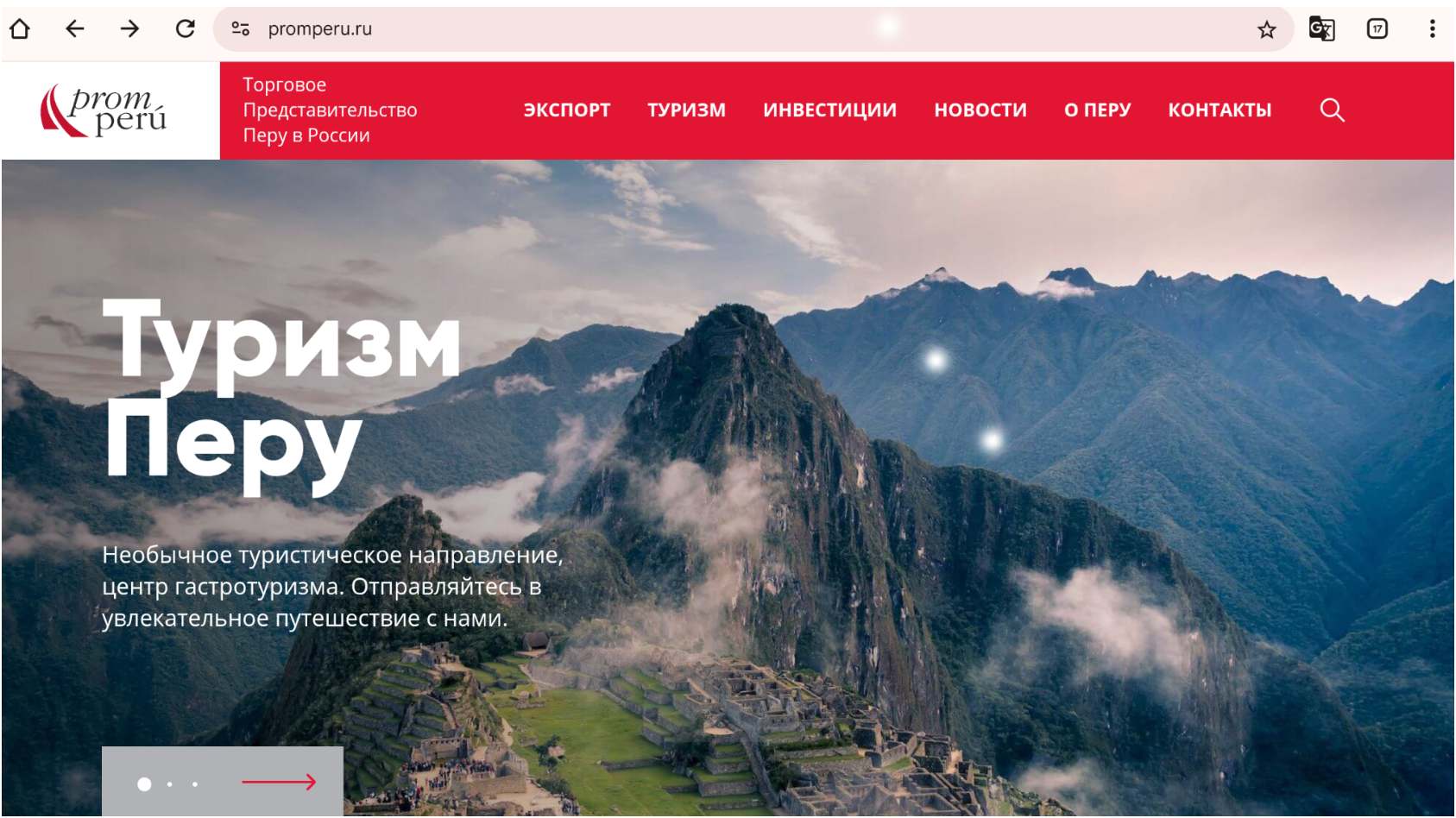
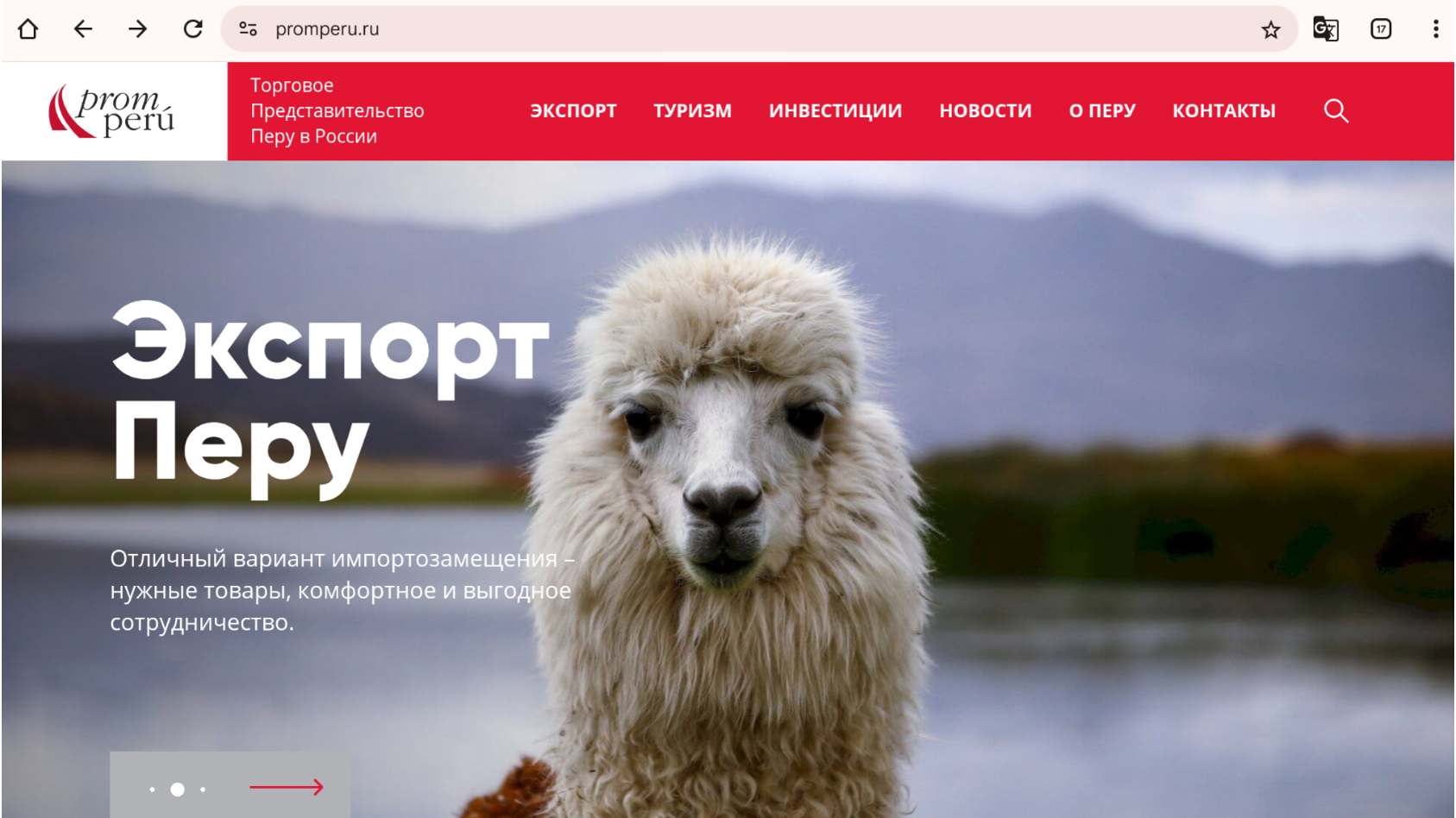
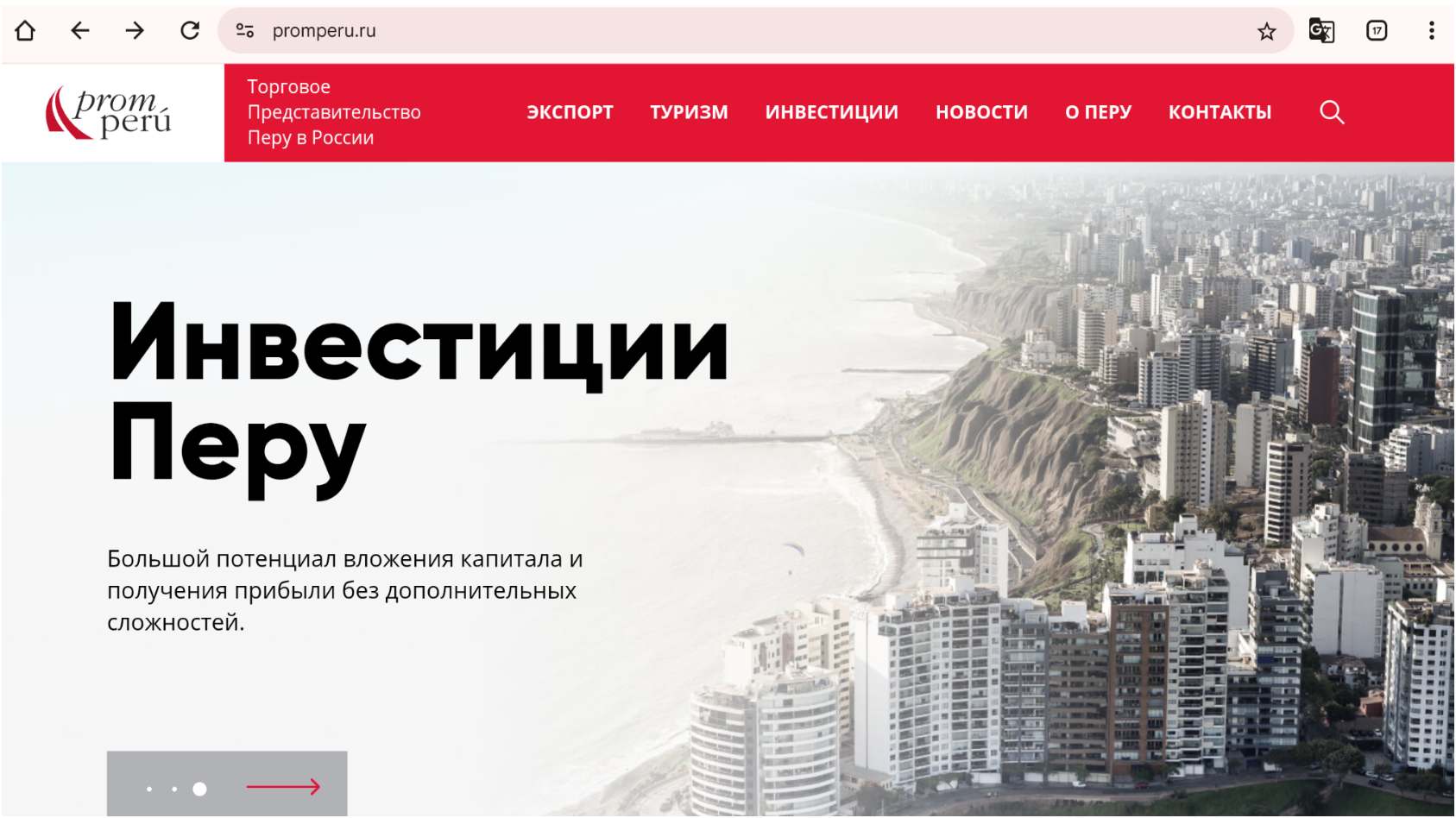
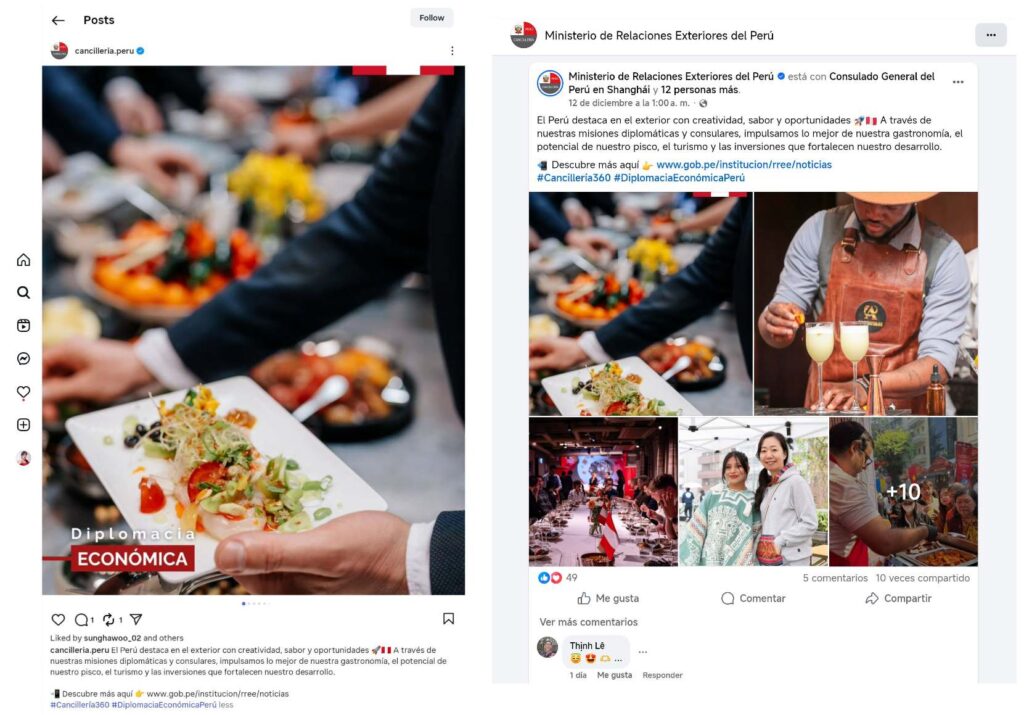
This post is the script of a presentation for the subject of Public Diplomacy. Students had to review official sources to deliver a short presentation about the public diplomacy of their own country. The key institution in charge of Peru’s public diplomacy is The Peruvian Ministry of Foreign Affairs, known as la Cancillería in Spanish. It is Peru’s most important transnational public organization and is responsible for projecting the country’s official image to the world. If we take a look at the Regulations on Organization and Functions of the Peruvian Ministry of Foreign Affairs (available in PDF), one of its core functions is: «Promoting and coordinating Peruvian trade, tourism, investment, and culture abroad with the relevant sectors.» This is confirmed on the Ministry’s website under its strategic objectives. Focusing only on the first three, we can see that Objective Nº 2 also states: «To promote trade, investment and tourism opportunities abroad.» Among the examples of their tools in action, Tool Nº 1 is PromPerú, whose focus is not on promoting Peruvian values or artistic culture, but rather on tourism, trade and investment (see screenshots from PromPeru’s website). So far, this remains very consistent with the functions and strategic objectives of la Cancillería. PromPerú has created dedicated sites in different languages. The screenshots show the website in Russian promoting «Tourism Peru», «Export Perú» and «Investment Perú». Let’s take a look at the second tool in action, the digital/media environment. La Cancillería is quite active in this sphere, maintaining active accounts on Facebook, Instagram, Twitter, YouTube and Flickr. The content varies slightly across platforms. For example, the official condolences to the U.S. because of a gun attack is posted only on Twitter, not Facebook or Instagram. The overall visual and communicative style is modern and friendly, aligning consistently with the goals stated by the Peruvian Ministry of Foreign Affairs. The focus in on tourism and on attracting foreign investment, targeting an audience willing to spend in Peru. In the sample screenshots, one can read:
Peru stands out abroad with opportunities. Thorugh our diplomatic and consular missions, we promote the best of our gastronomy, the potential of our pisco [an alcoholic beverage], tourism and investment that strengthen our development.
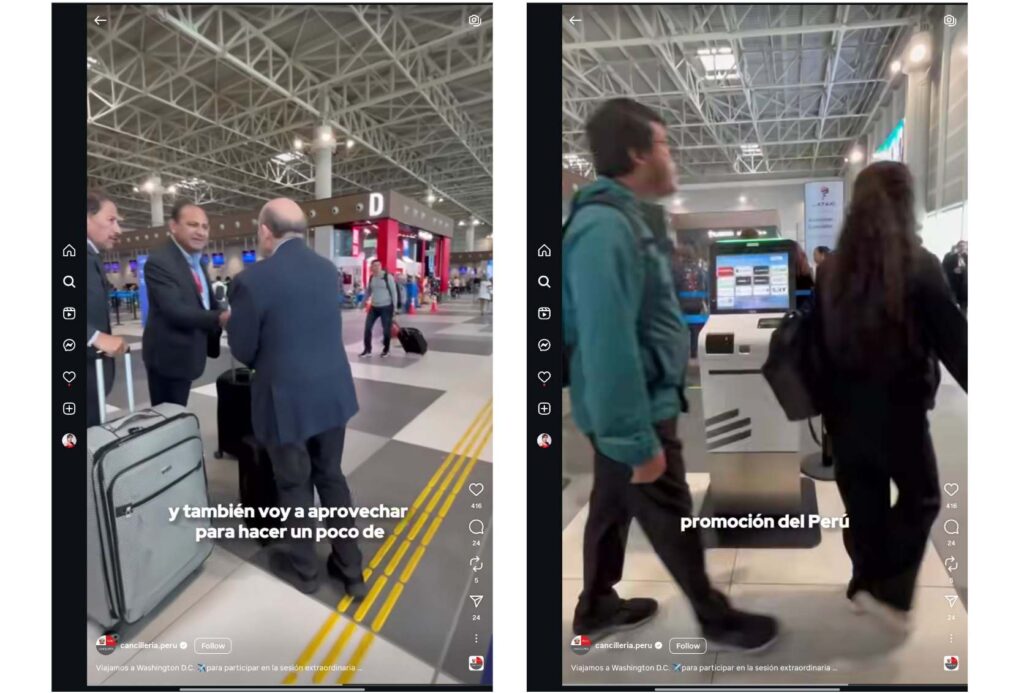
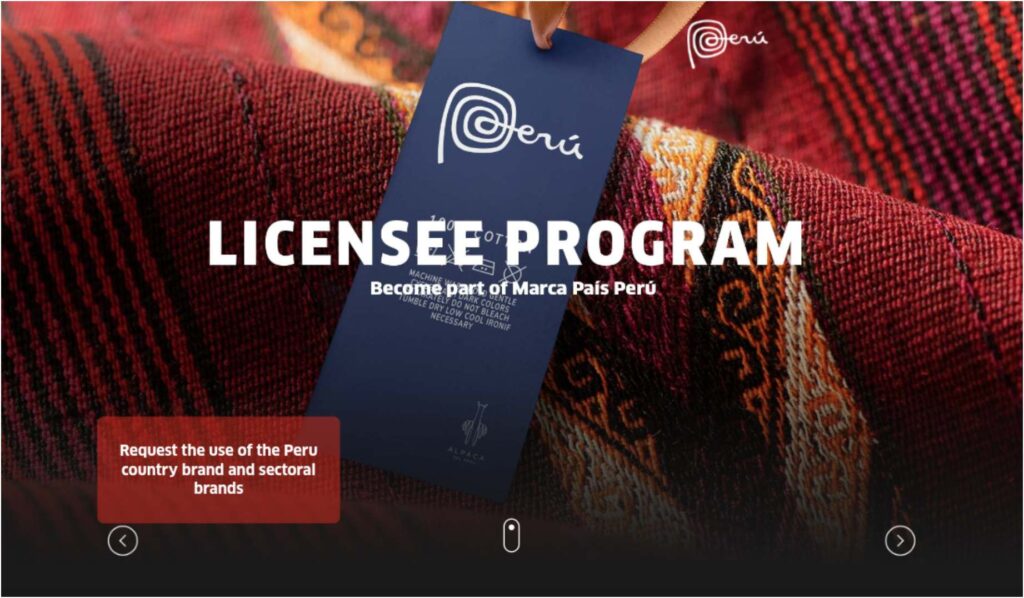
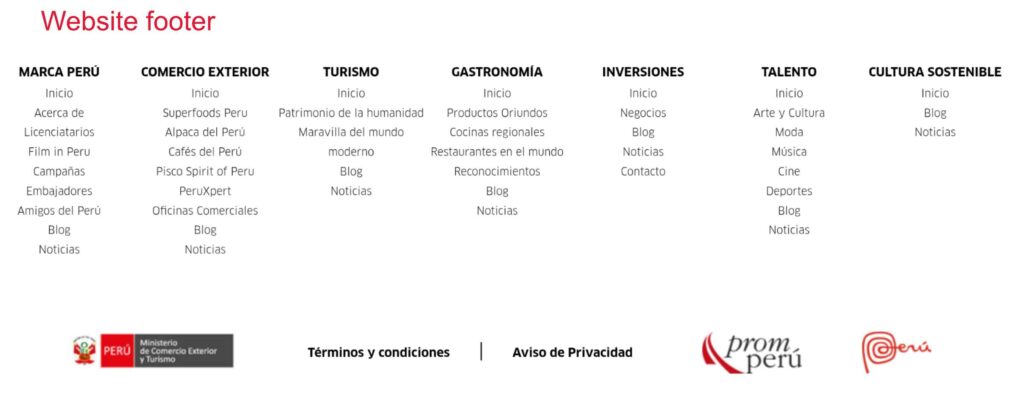
In a video featuring the Minister of Foreign Affairs (or el canciller) departing for the US to attend a meeting at the OAS, he says that he is going to «take advantage of the opportunity to promote Peru». Given what we have learned so far, which topics or activities do you think he is likely to promote? Tool Nº 3, or the «non-obvious» tool, is an initiative of the Ministry of Foreign Trade and Tourism called Marca Perú (Brand Peru). It offers a licensing program for Peruvian companies that wish to use its logo to benefit from the huge marketing campaigns promoting branded products abroad. Obviously, these companies and their products must meet specific quality standards, as this initiative aims to project an image of Peru as a source of high-quality products and experiences. Using the logo adds value to exports and, more importantly, provides a consistent representation of the country as an attractive destination for spending. In the footer of Marca Perú’s website you can see all the sectors in which they offer licenses, including the classics: tourism, gastronomy, and investment, but also talent and sustainable culture. Notice that PromPerú is also listed there, indicating that the two programs work in tandem. After reviewing the objectives of the Ministry of Foreign Affairs and observing its tools to craft the official portrayal of Peru abroad, I would argue that the model fitting Peru’s current public diplomacy is hybrid because: • It includes elements of the duel model, particularly the use of soft power to highlight Peru’s appeal through gastronomy, heritage, folk traditions, etc., with the not-too-subtle goal of boosting tourism and foreign investment. • At the same time, there is a clear effort to shift toward a marketplace diplomacy, evidenced by the constant activity on social media platforms where people comment or react to posts. However, the content is largely infographic and the two-way interaction expected in marketplace diplomacy is still quite limited. In conclusion, Peru’s Public Diplomacy’s strategy is heavily focused on economic attraction, promoting specifically tourism, trade and investment through soft power, while other dimensions, such as cultural dialogue or marketplace diplomacy strategies, are less emphasized or less developed. What is your country’s public diplomacy like, and what tools or programs does it employ? What image does your country project to the world? Until next time, Elena
Lee este post en español